Diggery: A Strategic Choice for Vintage-Style Typography
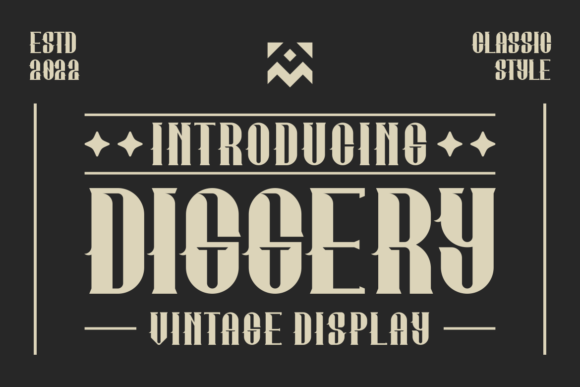
Diggery is more than just a display font—it's a thoughtful tool that can elevate the visual identity of your projects. With its vintage-style aesthetic, Diggery offers a unique blend of nostalgia and modernity, making it ideal for creative professionals, marketers, and entrepreneurs who want to stand out in a crowded digital landscape.
Unlike many fonts that prioritize simplicity or minimalism, Diggery brings character and personality to the table. Its distinct letterforms and subtle imperfections give it a handcrafted feel, which can be especially valuable when you're aiming to create a brand or message that feels authentic and human.
Why Diggery Matters for Strategic Communication
In a world where first impressions are often made in milliseconds, the right typography can make a significant difference. Diggery’s vintage appeal isn’t just about style—it’s about creating a lasting impression that resonates with your audience. Whether you're designing a logo, crafting a headline, or developing a marketing campaign, Diggery can help you communicate your message with clarity and charm.
For businesses looking to differentiate themselves, Diggery offers a way to express individuality without sacrificing readability. It’s particularly effective when used in conjunction with other design elements that reinforce your brand’s story. For example, a small business owner might use Diggery on a website header to evoke a sense of craftsmanship and tradition, while still maintaining a professional tone.
When to Use Diggery: Practical Scenarios
Diggery shines in scenarios where visual storytelling is key. Consider using it for:
- Brand logos that aim to convey a sense of heritage or artisanal quality
- Headlines in print or digital media that require a touch of elegance or whimsy
- Marketing materials such as brochures, posters, or social media graphics that need a distinctive look
- Personal projects like blogs, portfolios, or creative work that benefits from a unique visual signature
However, it's important to approach Diggery with intention. Using it too frequently or inappropriately can dilute its impact. The goal is to use it strategically, ensuring it complements your overall design rather than overwhelming it.
Planning Your Use of Diggery: Key Considerations
Before integrating Diggery into your design workflow, consider the following factors:
- Context: Is the font appropriate for the medium and audience? For instance, a formal corporate presentation may not be the best place for Diggery, but a creative portfolio could benefit greatly from its presence.
- Readability: While Diggery is visually appealing, ensure that it remains legible at different sizes and in various formats. Test it across devices and platforms to confirm its effectiveness.
- Consistency: If you plan to use Diggery in multiple places, maintain a consistent style to avoid visual clutter. This helps reinforce your brand’s identity and makes your designs more cohesive.
- Complementary Elements: Pair Diggery with other fonts and design elements that enhance its strengths. A clean, modern sans-serif font might balance Diggery’s vintage flair, creating a harmonious visual experience.
By planning your use of Diggery carefully, you can maximize its value and ensure it aligns with your broader design and communication goals.
Strategic Observations: How Diggery Supports Long-Term Goals
Typography plays a critical role in branding and user experience. Diggery can be a strategic asset when building a brand that values authenticity and creativity. By choosing a font that reflects your brand’s personality, you can create a stronger emotional connection with your audience.
For example, an independent publisher might use Diggery in their book covers to evoke a sense of classic literature while still appealing to modern readers. Similarly, a freelance designer could incorporate Diggery into their portfolio to showcase their ability to think outside the box and deliver unique visual solutions.
Risks of Using Diggery Without Clear Intent
While Diggery has many advantages, it’s not a one-size-fits-all solution. Using it without a clear purpose can lead to confusion or a lack of focus. If your design doesn’t have a strong visual hierarchy, Diggery might end up competing with other elements instead of supporting them.
Additionally, overusing Diggery can reduce its impact. If every headline, title, and label uses the same font, it loses its uniqueness. This is why it’s essential to use Diggery selectively and with a clear understanding of how it contributes to your overall design strategy.
Decision-Making Guidance: How to Leverage Diggery Effectively
To make the most of Diggery, start by identifying the specific goals of your project. Ask yourself: What message do I want to convey? Who is my target audience? How does Diggery fit into the broader visual language of my brand?
If you’re unsure, test Diggery in different contexts. Create mockups or prototypes to see how it performs in real-world scenarios. Gather feedback from others to determine if it effectively communicates your intended message.
Finally, remember that typography is part of a larger design ecosystem. Diggery should work in harmony with other elements, not in isolation. By taking a thoughtful, strategic approach, you can unlock its full potential and achieve better results in your creative and professional endeavors.
Long-Term Value: Building a Visual Identity with Diggery
Over time, the consistent use of Diggery can contribute to a stronger, more recognizable brand identity. As your audience becomes familiar with the font, it can become a symbol of your brand’s values and aesthetic. This can be especially beneficial for small businesses or independent creators who rely on visual cues to build trust and loyalty.
Moreover, Diggery’s vintage-inspired design can help your brand stand out in a market saturated with generic, modern fonts. In a world where differentiation is key, a well-chosen font can be a powerful tool for setting your work apart and creating a memorable impression.