Jeniffer: A Bold Retro Font for Timeless Branding and Strategic Communication
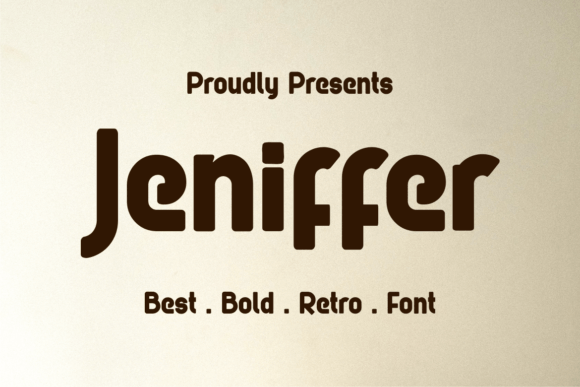
Jeniffer is more than just a font—it’s a powerful tool for visual storytelling, especially when it comes to antique products or anything with a vintage appeal. Its bold, retro design evokes a sense of strength and authenticity that resonates with audiences who value tradition, craftsmanship, and history. For businesses and creators looking to communicate a sense of permanence and reliability, Jeniffer offers a unique way to stand out in a crowded market.
Choosing the right typeface isn’t just about aesthetics; it’s about strategy. The font you use can influence how your brand is perceived, how your message is received, and even how customers interact with your products. Jeniffer, with its strong, confident strokes, is ideal for brands that want to project stability and heritage. It’s not just a style choice—it’s a decision that aligns with long-term branding goals.
Why Jeniffer Works for Antique and Vintage-Related Products
When it comes to antique products, the visual language of the design plays a crucial role in setting the right tone. Jeniffer’s boldness gives it a commanding presence, making it perfect for headlines, logos, and product titles that need to capture attention while maintaining a classic feel. This font doesn’t just look old—it feels like it belongs in a bygone era, which makes it an excellent fit for anything related to antiques, collectibles, or historical themes.
The boldness of Jeniffer also serves a practical purpose. In a world where consumers are bombarded with information, a strong, clear font helps your message cut through the noise. Whether it’s on a website, packaging, or marketing material, Jeniffer ensures that your brand’s voice is both heard and remembered. It’s not just about looking good—it’s about being effective.
Strategic Use of Jeniffer in Branding and Communication
Branding is all about consistency and clarity. When you use Jeniffer, you’re not just choosing a font—you’re making a statement about your brand’s identity. For businesses that cater to niche markets, such as antique dealers, vintage retailers, or historical institutions, Jeniffer can help reinforce a sense of trust and expertise. It signals that your brand is rooted in tradition and values quality over trends.
But strategic use goes beyond just selecting the right font. It involves understanding when and how to apply it. For example, using Jeniffer for headings and subheadings can create a visual hierarchy that guides readers through your content. On the other hand, using it for body text may be less effective, as its boldness can make reading lengthy passages more challenging. The key is to balance form and function.
Consider the audience when deciding where to use Jeniffer. If your target demographic appreciates vintage aesthetics, then this font can be a valuable asset. However, if your audience prefers modern, minimalist designs, you may need to pair Jeniffer with other fonts to achieve the right balance. Thoughtful integration ensures that your branding remains relevant and appealing across different platforms and mediums.
Planning Your Use of Jeniffer: Key Considerations
Before committing to Jeniffer, it’s important to evaluate your brand’s needs and goals. Ask yourself: What message do I want to convey? Who is my target audience? How does this font align with my overall brand identity? These questions can help you determine whether Jeniffer is the right choice for your specific situation.
Another consideration is accessibility. While Jeniffer is visually striking, it’s important to ensure that it remains readable across different devices and screen sizes. Test it on various platforms to see how it performs in real-world scenarios. If necessary, consider using it in combination with more neutral fonts for body text to maintain readability without sacrificing style.
Finally, think about the broader implications of your design choices. A font like Jeniffer can influence how your brand is perceived, but it can also affect user experience. If your audience finds the font too bold or difficult to read, it could have a negative impact on engagement. Always prioritize usability alongside aesthetics.
Practical Examples of Jeniffer in Action
Let’s explore some real-world scenarios where Jeniffer can be effectively used:
- Product Packaging: For an antique jewelry line, using Jeniffer on the packaging can evoke a sense of luxury and timelessness. The bold font draws attention while reinforcing the brand’s heritage.
- Website Headlines: On a blog about historical artifacts, Jeniffer can be used for article titles to create a visually cohesive and engaging layout. It adds a touch of elegance without overwhelming the reader.
- Marketing Materials: For a vintage furniture store, Jeniffer can be used in print ads or social media posts to create a strong visual identity that appeals to collectors and enthusiasts.
In each of these cases, Jeniffer is used intentionally to enhance the overall message and create a consistent brand experience. The key is to use it in ways that support your goals rather than simply for aesthetic appeal.
Common Risks of Using Jeniffer Without Clear Intent
While Jeniffer has many advantages, it’s not a one-size-fits-all solution. Using it without a clear purpose can lead to several issues. For instance, overusing it in body text can make your content harder to read, which can negatively impact user engagement. Similarly, applying it to a modern, tech-focused brand may come off as outdated or irrelevant.
Another risk is inconsistency. If you use Jeniffer in some parts of your branding but not others, it can create a disjointed look that confuses your audience. Consistency is key in branding, so it’s important to define where and how you’ll use the font across all channels.
Lastly, failing to consider your audience’s preferences can lead to a mismatch between your brand and your target market. If your audience doesn’t connect with the retro aesthetic of Jeniffer, it may not resonate as strongly as you hope. Always test your design choices with your audience to ensure they align with their expectations.
How to Use Jeniffer Intentionally for Better Results
To get the most out of Jeniffer, start by defining your brand’s visual identity. What values do you want to communicate? What emotions do you want to evoke? Once you have a clear vision, you can determine where Jeniffer fits best. For example, if your brand emphasizes strength and tradition, using Jeniffer for your logo or main headings can reinforce those qualities.
Next, plan your typography strategy. Decide which elements of your design will use Jeniffer and which will use other fonts. This helps maintain a balanced and professional look. You might use Jeniffer for headlines and titles, while using a more neutral font for body text to ensure readability.
Finally, monitor the impact of your design choices. Track user engagement, feedback, and sales data to see how Jeniffer is performing in real-world scenarios. This allows you to make informed adjustments and optimize your branding over time.
Long-Term Value of Jeniffer in Brand Strategy
When used strategically, Jeniffer can contribute to the long-term success of your brand. Its bold, retro style helps establish a strong visual identity that stands out in a competitive market. Over time, this can build brand recognition and loyalty, especially among audiences who appreciate vintage aesthetics and historical significance.
Moreover, Jeniffer can serve as a foundation for future design decisions. As your brand evolves, you can build upon the visual language established by this font, ensuring consistency and coherence across all touchpoints. This long-term approach helps create a more cohesive and impactful brand presence.
Ultimately, the value of Jeniffer lies in how it’s used. By approaching it with intention and strategy, you can unlock its full potential and create a brand that resonates with your audience on both an emotional and practical level.