Wave Time: A Versatile Display Font for Every Workflow
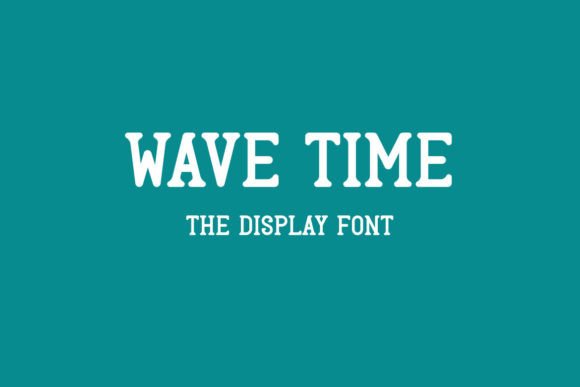
Wave Time is a display font that brings a sense of fun and friendliness to any design project. Its unique character and playful style make it an ideal choice for a wide range of applications, from branding to web design. Whether you're working on a personal project or a professional assignment, Wave Time can add a touch of personality and creativity to your work.
Understanding Wave Time and Its Role in the Design Process
Wave Time is more than just a font; it's a tool that can enhance your workflow and bring a fresh perspective to your designs. This font is particularly useful when you need to convey a message with a light-hearted tone or when you want to stand out in a crowded market. It fits seamlessly into the broader process of design, offering a balance between readability and visual appeal.
When considering Wave Time, it's important to think about how it integrates into your existing design ecosystem. This font works well with other typefaces, allowing you to create a cohesive look without sacrificing individuality. Whether you're using it as a headline, a logo, or part of a larger typographic system, Wave Time adds a distinctive flair that can elevate your work.
Using Wave Time in Different Stages of a Project
The versatility of Wave Time makes it suitable for use at various stages of a project. Before starting a new design, you can experiment with Wave Time to get a sense of the visual direction you want to take. During the execution phase, this font can help you maintain a consistent style while adding a unique element to your work. After completing a project, Wave Time can be used to create engaging marketing materials or promotional content that captures attention.
For example, if you're designing a website, you might use Wave Time for the header or a call-to-action button. This can draw users in and create a memorable first impression. In print media, such as brochures or flyers, Wave Time can be used to highlight key information or add a playful touch to the overall layout.
Integration with Other Tools and Resources
Wave Time is designed to work well with a variety of design tools and platforms. Whether you're using Adobe Creative Suite, Figma, or Canva, this font is compatible with most design software, making it easy to incorporate into your workflow. Its availability in different formats ensures that you can use it across multiple projects without any issues.
When working with other designers or team members, Wave Time can serve as a common reference point. It allows for consistent communication and helps maintain a unified visual identity across different assets. This is especially useful in collaborative environments where clarity and cohesion are essential.
Practical Implementation Tips
To get the most out of Wave Time, consider the following tips:
- Experiment with spacing: Adjust the letter spacing to achieve the desired visual effect. This can help improve readability and create a more balanced composition.
- Combine with other fonts: Pair Wave Time with a more traditional typeface to create contrast and visual interest. This can help guide the viewer's eye and add depth to your design.
- Use it selectively: While Wave Time is versatile, it's best used in specific areas of your design rather than throughout the entire layout. This prevents it from becoming overwhelming and maintains its impact.
- Test on different mediums: Ensure that Wave Time looks good on both digital and print formats. This helps maintain consistency across all your materials.
Workflow Examples and Use Cases
Wave Time can be applied in numerous ways depending on your specific needs. Here are a few examples of how it can be integrated into different workflows:
- Branding: Use Wave Time for your brand’s name or tagline to create a distinctive and memorable identity. This can help your brand stand out in a competitive market.
- Marketing Materials: Incorporate Wave Time into your social media posts, advertisements, or email campaigns to capture attention and convey a friendly message.
- Web Design: Apply Wave Time to headers, buttons, or other interactive elements to add a playful touch and enhance user engagement.
- Print Projects: Use Wave Time in posters, business cards, or packaging to create a visually appealing and cohesive design.
Factors to Consider for Long-Term Use
When planning to use Wave Time over an extended period, there are several factors to keep in mind. First, ensure that the font is compatible with the platforms and tools you use regularly. This helps avoid any technical issues that could disrupt your workflow.
Additionally, consider the scalability of your design. As your projects grow or evolve, Wave Time should continue to meet your needs without requiring significant adjustments. Consistency is key, so maintaining a clear visual language will help reinforce your brand or message.
Finally, stay informed about updates or variations of Wave Time. New versions may offer improved features or additional styles that can enhance your work. By staying proactive, you can ensure that Wave Time remains a valuable asset in your design toolkit.
Conclusion
Wave Time is a powerful display font that can enhance your design work in countless ways. Its friendly and fun aesthetic makes it ideal for a variety of applications, from branding to web design. By integrating Wave Time into your workflow, you can add a unique touch to your projects and create a more engaging experience for your audience.
Whether you're working on a personal endeavor or a professional assignment, Wave Time offers flexibility and creativity that can elevate your designs. With the right approach and implementation, this font can become an essential part of your design process, helping you achieve your goals with style and efficiency.