The Right Way: A Versatile Display Font for Creative Projects
When it comes to typography, the right font can make a significant difference in how a message is perceived. One such font that stands out for its unique character and versatility is Right Way. This display font offers a distinctive aesthetic that can enhance a wide range of design projects. Whether you're working on branding, web design, or print materials, understanding the potential of Right Way can help you make an informed decision about its suitability for your needs.
What Is Right Way?
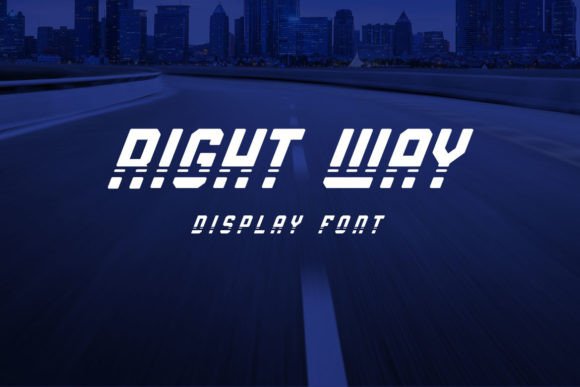
Right Way is a display font designed to capture attention with its clean lines and modern structure. It combines elements of traditional typography with a contemporary twist, making it ideal for situations where visual impact is key. The font features a balanced mix of serifs and sans-serif characteristics, allowing it to be both readable and stylish. Its design is intended to be flexible, capable of adapting to different contexts while maintaining a strong visual presence.
Why Consider Right Way?
There are several reasons why someone might choose Right Way for their design projects. First, its unique appearance can help differentiate a project from others that use more common fonts. This can be particularly valuable in competitive markets where standing out is essential. Additionally, Right Way is often praised for its readability, even at smaller sizes, which makes it suitable for a variety of applications beyond just large headlines.
Another factor that may attract designers is the font's adaptability. It can be used in both digital and print formats, offering flexibility for different types of projects. Furthermore, its modern look aligns well with current design trends, making it a relevant choice for those looking to keep their work up-to-date with industry standards.
Benefits of Using Right Way
One of the primary benefits of Right Way is its ability to add a sense of sophistication to any design. Its clean and professional appearance can convey a sense of trustworthiness, which is particularly useful for branding and corporate communications. Additionally, the font's versatility allows it to be used in multiple contexts, from headings and titles to body text, depending on the design requirements.
Another advantage is that Right Way is typically available in a range of weights and styles, providing designers with options to suit different needs. This variety can be especially helpful when creating layouts that require contrast and hierarchy. Moreover, because of its modern design, Right Way can complement other fonts in a typeface family, enhancing overall visual harmony.
Tradeoffs and Considerations
While Right Way has many strengths, it's important to consider potential tradeoffs before incorporating it into a project. One consideration is that its unique style may not be suitable for all types of content. For instance, if a project requires a more traditional or formal tone, Right Way might not be the best fit. In such cases, a more conventional font could be more appropriate.
Additionally, designers should evaluate the font's performance across different platforms and devices. While Right Way is generally well-designed, its appearance can vary slightly depending on the rendering engine or screen resolution. Testing the font in various environments is recommended to ensure consistency and clarity.
Situations Where Right Way Excels
Right Way is particularly effective in scenarios where a bold and modern look is desired. For example, it can be an excellent choice for website headers, logos, and promotional materials that aim to grab attention. Its clean lines and balanced proportions make it suitable for both digital and print media, offering a consistent visual identity across different formats.
In addition, Right Way can be beneficial for projects that require a professional yet approachable feel. This includes business websites, marketing campaigns, and product packaging. Its ability to convey a sense of reliability and innovation makes it a strong candidate for brands looking to establish a modern image.
When Alternatives Might Be Better
There are instances where alternative fonts may be more suitable than Right Way. For example, if a project requires a more traditional or classic look, fonts with a stronger serif or script influence might be more appropriate. Similarly, if the goal is to create a highly readable body text, a font specifically designed for long-form reading could be a better choice.
Designers should also consider the target audience when selecting a font. If the audience is more conservative or prefers a traditional aesthetic, a different font might resonate more effectively. Evaluating the context and purpose of the project is crucial in determining whether Right Way is the best option.
Making the Right Decision
Deciding whether Right Way is the right font for a project involves careful consideration of several factors. Start by assessing the goals of the design and the message it aims to convey. If the objective is to create a modern, eye-catching visual identity, Right Way can be a strong contender. However, if the focus is on tradition, readability, or specific stylistic preferences, alternatives may need to be explored.
It's also advisable to test the font in real-world scenarios. Previewing Right Way in different sizes, colors, and backgrounds can provide insight into how it performs in practice. Seeking feedback from others can further help in evaluating its effectiveness for the intended purpose.
Ultimately, the decision to use Right Way should be based on a thorough evaluation of its strengths, limitations, and alignment with the project's requirements. By taking a practical and informed approach, designers can ensure that their choice of font supports the overall vision and goals of their work.