Lonex Pro: A Modern Display Font That Elevates Your Designs
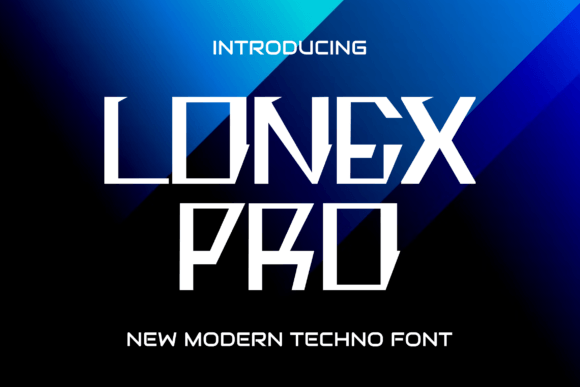
When it comes to typography, the right font can make all the difference. Lonex Pro is a versatile and stylish display font that has gained popularity among designers, marketers, and creators of all levels. Its clean lines, modern aesthetic, and high readability make it an excellent choice for a wide range of projects—from branding and web design to print materials and presentations. Whether you're working on a professional project or a personal endeavor, Lonex Pro can help you achieve a polished and impactful look.
What Makes Lonex Pro Stand Out?
Lonex Pro is more than just another font in your collection—it’s a tool that can transform your creative work. Designed with a contemporary feel, it combines elegance with functionality, making it suitable for both digital and print use. The font features a balanced structure, with consistent stroke weights and clear letterforms that ensure legibility even at smaller sizes. This makes it ideal for headings, logos, and other prominent text elements where visual impact is key.
One of the reasons people are drawn to Lonex Pro is its adaptability. It works well in a variety of contexts, from minimalist designs to more complex layouts. Its versatility means you don’t have to limit yourself to a single style or application. Whether you’re creating a bold headline or a subtle tagline, Lonex Pro offers the flexibility to match your vision.
Common Mistakes When Using Lonex Pro
Despite its many strengths, some users may overlook important details when working with Lonex Pro. One common mistake is using it in situations where readability is compromised. While the font is highly legible, it’s not always the best choice for large blocks of text. For example, using Lonex Pro in body copy for a website or document can lead to eye strain and reduce the overall effectiveness of your content.
Another issue is overusing the font. Some designers may apply Lonex Pro to every element of a design, which can result in a cluttered or unbalanced layout. It’s important to remember that less is often more. Using Lonex Pro strategically—such as for headlines, titles, or key phrases—can create a stronger visual hierarchy and improve the overall user experience.
How to Avoid These Pitfalls
To get the most out of Lonex Pro, start by understanding its strengths and limitations. Use it for display purposes rather than body text, and pair it with complementary fonts for better contrast and readability. For instance, combining Lonex Pro with a simpler sans-serif font like Arial or Helvetica can create a more dynamic and professional look.
Additionally, test the font in different sizes and formats before finalizing your design. What looks great on a screen may not translate well to print, and vice versa. Always review your work in multiple contexts to ensure consistency and clarity.
Key Considerations Before Using Lonex Pro
Before incorporating Lonex Pro into your projects, there are several factors to consider. First, check the licensing terms. Depending on your intended use—personal, commercial, or corporate—you may need a specific typeface license. Failing to obtain the correct license can lead to legal issues and financial penalties.
Also, evaluate the font’s compatibility with your design software. Most modern programs support OpenType and TrueType fonts, but it’s wise to confirm that Lonex Pro works seamlessly with your workflow. If you’re unsure, try downloading a trial version or checking reviews from other users.
Realistic Examples and Better Approaches
Consider a scenario where a small business owner wants to create a logo. They might be tempted to use Lonex Pro for the entire logo, thinking it will look modern and professional. However, this approach could result in a design that’s too busy or hard to read. A better strategy would be to use Lonex Pro for the main name and pair it with a simpler font for the tagline or subtitle. This creates a more cohesive and visually appealing layout.
Another example involves a blogger who uses Lonex Pro for article titles. While the font adds a nice touch, they might not realize that it doesn’t work well for long paragraphs. By reserving Lonex Pro for headings and subheadings, they can maintain a clean and readable format throughout their content.
Final Thoughts on Lonex Pro
Lonex Pro is a powerful addition to any designer’s toolkit, offering a blend of style and functionality that can enhance a wide range of projects. However, its success depends on how it’s used. By avoiding common mistakes, understanding its limitations, and applying it thoughtfully, you can unlock its full potential. Whether you’re a seasoned professional or just starting out, Lonex Pro can help you create more engaging and effective designs.
Remember, the goal of typography is to communicate clearly and effectively. With the right approach, Lonex Pro can be a valuable asset in achieving that goal.