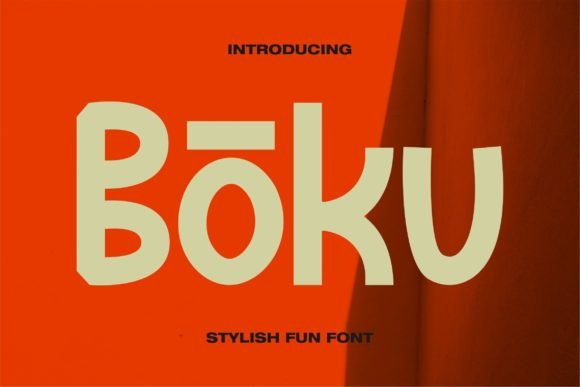
Boku: A Stylish Font for Modern Design Needs
In the world of design, typography plays a crucial role in conveying the right message and creating visual appeal. One font that has gained popularity for its unique and modern aesthetic is Boku. This stylish, trendy, and charming display font offers a fresh look that can elevate various design projects. Whether you're working on invitations, greeting cards, branding materials, or posters, Boku provides a versatile solution that can meet a wide range of creative needs.
Understanding what Boku is and how it can be effectively used is essential for designers and businesses looking to enhance their visual identity. With its distinctive character set and contemporary feel, Boku stands out as a go-to choice for those who want to add a touch of elegance and modernity to their work.
Challenges and Goals in Typography
Choosing the right font can often be a challenge, especially when trying to balance style with readability. Many designers face the dilemma of finding a font that is both visually appealing and suitable for different types of projects. For instance, a font that works well for a wedding invitation may not be appropriate for a corporate brochure. This is where Boku shines, offering a flexible solution that adapts to various design contexts without sacrificing its unique character.
Additionally, businesses and individuals often seek fonts that can help them stand out in a crowded market. A well-chosen font can make a significant difference in how a brand is perceived. Boku offers a modern and trendy appearance that can help differentiate a project from others, making it an ideal choice for those aiming to create a memorable visual impact.
How Boku Can Help Address Design Needs
Boku is designed with a focus on clarity and charm, making it suitable for a variety of applications. Its clean lines and balanced structure ensure that it remains legible even at smaller sizes, which is particularly important for elements like business cards or labels. At the same time, the font's stylized characters add a sense of sophistication that can enhance the overall aesthetic of any design.
One of the key advantages of Boku is its versatility. It can be used in both digital and print formats, allowing designers to maintain consistency across different media. Whether you're creating a website, a social media post, or a printed flyer, Boku offers a cohesive look that can unify your design efforts.
Practical Applications of Boku
The applications of Boku are vast and varied. For example, in the realm of event planning, this font can be used to design elegant invitations that capture the essence of a special occasion. Its modern appearance makes it particularly well-suited for weddings, birthdays, or corporate events, where a refined yet approachable look is desired.
In the context of branding, Boku can serve as a strong foundation for logos, packaging, and marketing materials. Its stylish design helps convey a sense of innovation and creativity, which can resonate well with target audiences. Businesses looking to establish a contemporary brand image may find that incorporating Boku into their visual identity can help achieve this goal.
For personal use, Boku can be a great choice for creating custom greeting cards, quotes, or artwork. Its charming characters add a personal touch that can make these items more meaningful and visually appealing. Whether you're designing a card for a friend or crafting a motivational poster, Boku offers a unique way to express your ideas.
Considerations for Using Boku
While Boku is a powerful tool, it's important to consider how it will be used in different contexts. For instance, while it excels in display settings, it may not be the best choice for large blocks of text due to its stylized nature. In such cases, pairing Boku with a more traditional font can help maintain readability while still benefiting from its visual appeal.
Another consideration is the audience. Depending on the target demographic, the appropriateness of a font can vary. For example, a more conservative audience might prefer a classic serif font, whereas a younger, trendier audience could appreciate the modern flair of Boku. Understanding your audience's preferences can help you make informed decisions about font selection.
Conclusion
Boku is more than just a font—it's a versatile and stylish solution that can enhance a wide range of design projects. Its unique blend of charm and modernity makes it an excellent choice for those looking to create visually appealing and impactful designs. Whether you're working on a professional project or a personal endeavor, Boku offers the flexibility and aesthetic appeal needed to bring your vision to life.
By understanding the challenges and goals associated with typography, and by considering the practical applications of Boku, designers and businesses can make informed decisions that align with their creative and functional needs. Ultimately, the right font can make all the difference, and Boku is a valuable asset in achieving that goal.